Benefits and Advantages of Teflon Coated Piping
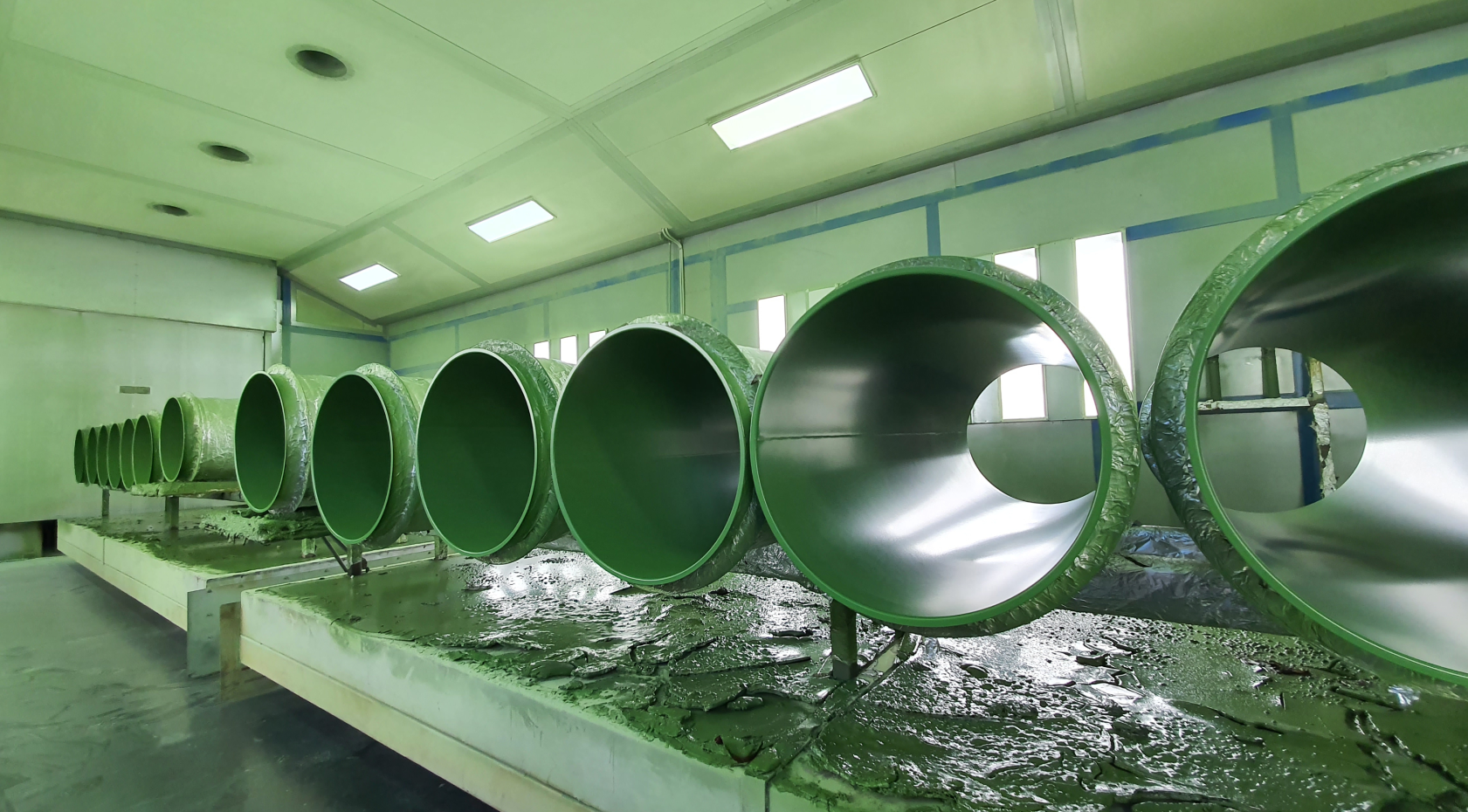
Teflon coated pipes
Teflon piping is a chemically inert, non-toxic fluoropolymer with a smooth surface for fluid flow and a wide operating temperature range. Applied as a coating to steel piping, it suits applications involving corrosive chemicals, high temperatures, and high voltage.
Here are the key advantages of Teflon-coated piping.
1. Corrosion Resistance
Coating steel piping protects the substrate from the chemicals moving through it. Because the transported fluid contacts the coating rather than the pipe wall, the steel is shielded from the corrosion that would otherwise thin it over time and compromise structural integrity.
2. Chemical Inertness
Where corrosion resistance protects the pipe, chemical inertness protects the product. Teflon coating is highly unreactive, so harsh chemicals move through the system with minimal interaction between the fluid or gas and the coating. That reduces the risk of contamination reaching the process, which matters in applications where purity determines yield.
3. Durability
Depending on the substance flowing through the system, piping can last roughly 4-5 years before corrosion renders it inoperable. Replacing a piping system causes downtime ranging from days to weeks. Teflon-coated piping extends that interval, which reduces how often a system has to be decommissioned and replaced.
4. Temperature Resistance
Teflon-coated piping has a temperature range of -200°C to +200°C, allowing it to handle extreme fluctuations without degrading. This range gives operators one material solution across processes with significant temperature variation, while removing a common failure point from the system.
BBTech America supplies Teflon-coated piping known as BBFlon for applications involving corrosive chemicals, aggressive service conditions, and wide temperature ranges.
Teflon-coated piping serves industries that handle harsh chemicals, fluids, and gases across wide temperature ranges. The combination of corrosion resistance, chemical inertness, and temperature tolerance lowers maintenance costs over the life of a system.